
iDigest
iDigest
The Game-Changer
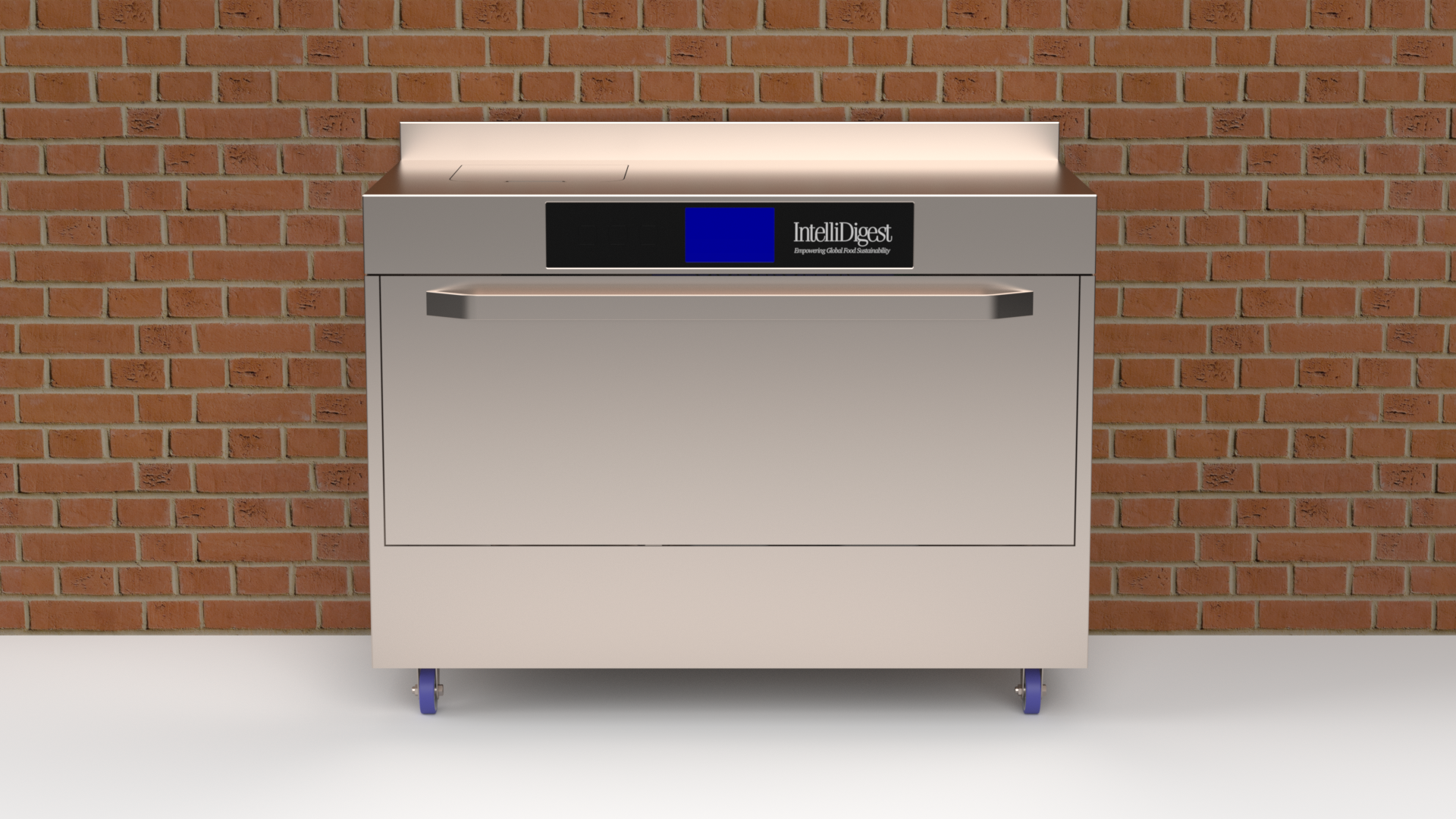
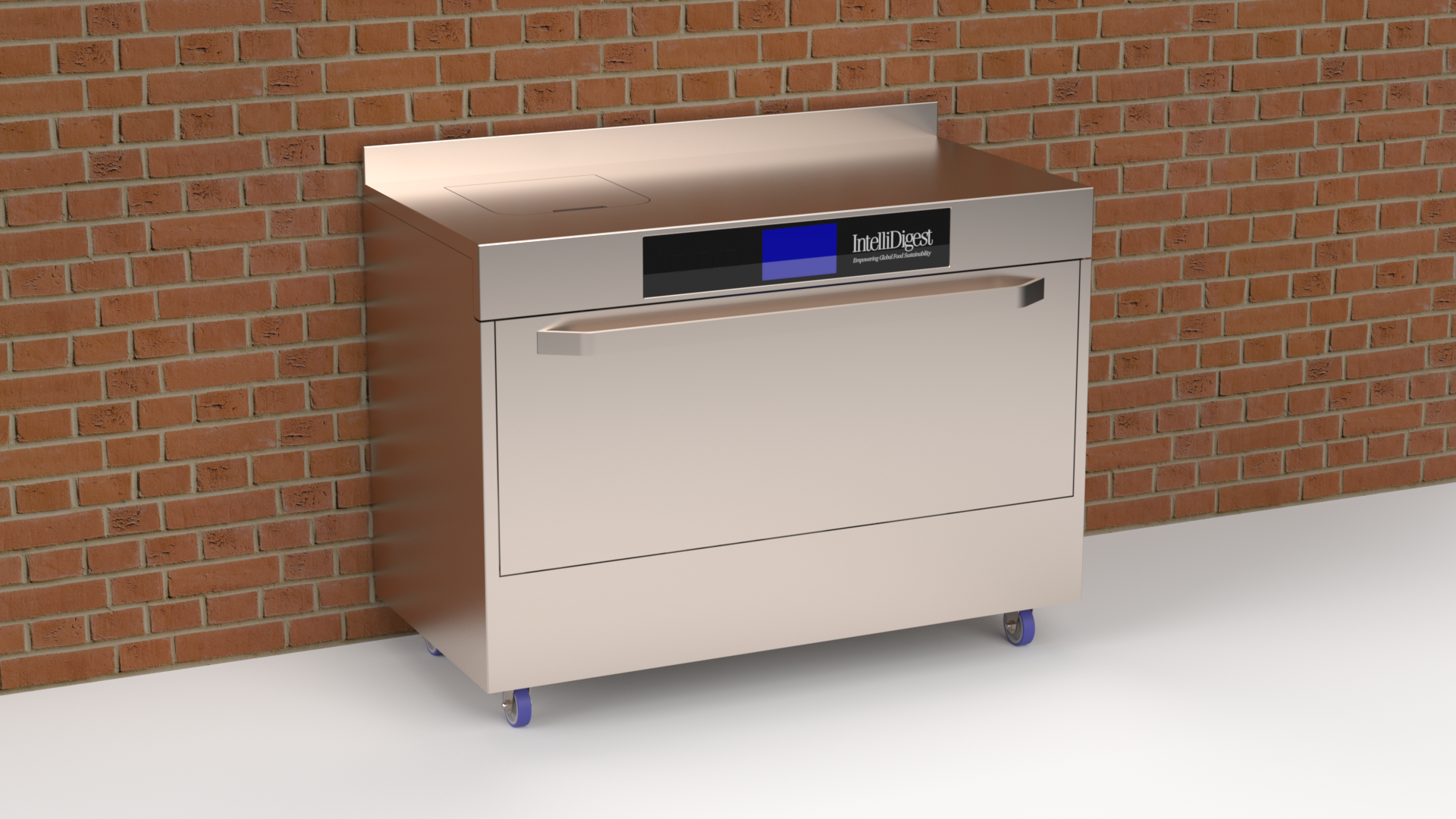
The iDigest is a nature inspired robot that completely changes the game for those looking for sustainable solutions to their food waste challenges.
The iDigest is an onsite food waste processor with a unique identifier for you.
With built in functions that support a wide range of food waste needs; the iDigest takes your food waste and transforms it into a nutrient that can be used for sustainable food production.

As we count down to 2030, there is need for a global move towards sustainability which demands a simple and practical solution for food waste – iDigest improves local and global sustainability through clean and efficient technology.
Built on innovative research and advanced environmental engineering, iDigest delivers real, triple bottom-line value, in industrial, commercial and residential environments.
iDigest Features
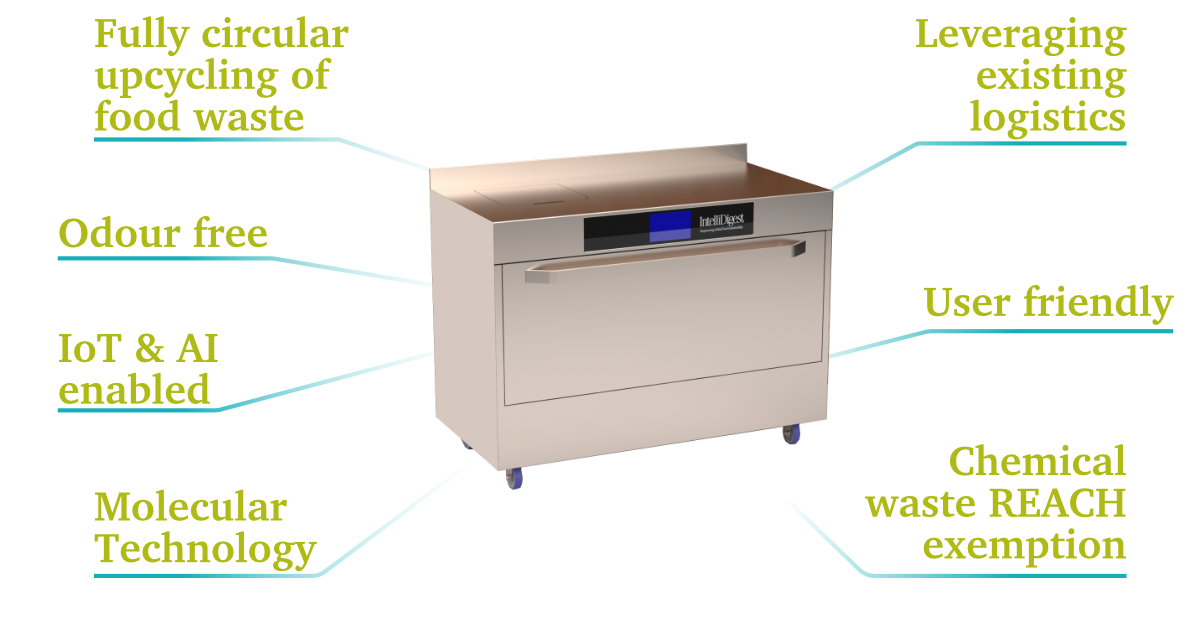
So, how does iDigest work?
Think of how your body breaks down food starting from your mouth?
Yes, you got it, that is the same way iDigest works.
iDigest takes your food waste, breaks it down to small particles, then, analyses the composition of your food waste for carbs, fats and proteins – giving you a report on your food waste.
The, iDigest transforms the food into an odourless concentrate that is easy to store and can be used for food production instead of using fertilisers.
Very convenient and simple to use – iDigest can be easily installed into a wide variety of different environments, such as kitchens and washrooms.
Any food waste can go into the iDigest, if iDigest can break it down to particles, iDigest will digest the food waste in less than 3 hours, there is nothing like it on the market.
Thanks to its innovative programming, it can also be connected to the World Food Tracker app providing you insight on your food waste as well as linking you to farmers using the nutrient from your food waste to grow food locally.

The types of food waste
EDIBLE FOOD WASTE
Edible food waste include all edible parts of food produced with the intention to be food for human beings, and which ends as waste (including animal feed and byproducts), originating after animals have been slaughtered or plants have been harvested
Secondary resources are all types of waste flows from primary production both intended and unintended for human consumption, both in the rearing/growing phase, before and after harvesting (except EFW).
INEDIBLE FOOD WASTE
Although UNFAO, do not include inedible food waste in their calculation, it is worth noting that recovering the nutrient present in inedible food waste is crucial to the development of resource efficient and sustainable food systems. Inedible food waste include drink and liquid waste, fish discarded to sea and waste of any materials that are ready for harvest, but which are not harvested.
Join other iDigest users today in enabling a more sustainable food system
We are always keen to make the iDigest available at any location where food waste is produced to maximise nutrient recovery at the earliest possible time.
We have made it easy for everyone to get on board by offering the iDigest to households and businesses through subscription, making the iDigest affordable to everyone without a huge upfront cost.
Your subscription for iDigest will provide amazing benefits and yearly maintenance by our engineering team for any assistance that you may require. Terms and conditions apply.
Our ultimate desire is to ensure that your iDigest is functioning optimally at all time.
The IntelliDigest Technology Ecosystem
iSaver
sustainchemical
Learn more

A circular economy for food is fundamental for people and planet; The transition to a circular economy is what consumers expect from the food industry, says Ifeyinwa Kanu, CEO, IntelliDigest Find out more >
If we do not plan, then we plan to fail. It is time to plan to save our food, our health, our wealth and our environment. Join the Plan To Save Campaign today.

The United Nations Sustainable Development Goals. Information on how we can all work towards global sustainability and good corporate social responsablity.